Choosing the Best Senior Living Option
The Benefits of Assisted Living in Charlotte: Quality Care and Community
Charlotte assisted living offers a carefully crafted blend of quality care and community engagement. Residents benefit from personalized care plans that cater to individual needs while encouraging independence. Improved safety features and a variety of social activities create a supportive environment. Furthermore, the emphasis on nutritious meal options and daily assistance guarantees overall well-being. This approach not only enhances the quality of life but also fosters family involvement, creating deeper connections. The advantages of this approach are deserving of additional consideration.
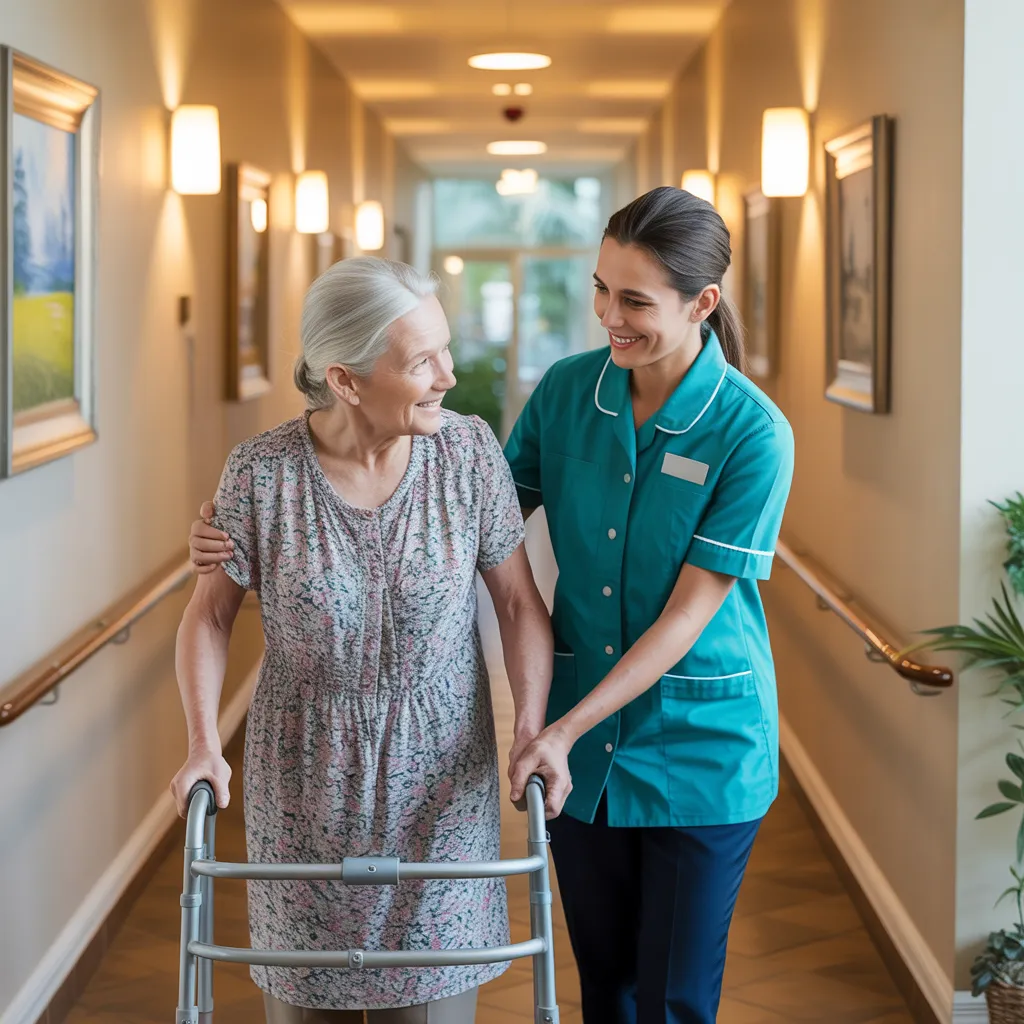
Individualized Care Plans for Unique Needs
Within Charlotte's assisted living facilities, personalized care plans serve as essential elements for addressing the distinct needs of each resident. These individualized plans account for personal health conditions, preferences, and lifestyle choices, making certain that residents obtain the proper level of support. Care teams work closely alongside residents and their families to evaluate needs and establish attainable goals. Regular evaluations allow for adjustments to be made as circumstances change, promoting ideal well-being. This personalized approach not only improves physical health but also promotes emotional and social engagement, assisting residents in maintaining their sense of independence. Through prioritizing personalized care, Charlotte's assisted living facilities establish an environment where residents feel valued, supported, and empowered to flourish in their new community.
Advanced Security and Safety Functions
Charlotte's assisted living facilities prioritize not only personalized care but also enhanced safety and security features to guarantee a safe living environment for residents. The facilities include modern security solutions, containing video surveillance and secured entrance systems, confirming that unauthorized people cannot effortlessly gain entry to the grounds. In addition, urgent care systems are positioned in all resident living areas, facilitating quick support in emergency circumstances. Personnel receive training in security procedures, additionally guaranteeing residents' welfare. Routine emergency exercises and evaluations are performed to sustain optimal readiness. In summary, these advanced security measures offer reassurance for residents and their loved ones, creating a protected and caring community environment.
Engaging Social Activities and Events
Vibrant social activities and events are vital aspects of assisted living in Charlotte. Residents can engage in community gatherings and celebrations, enjoy recreational and creative outings, and attend educational workshops and classes. These experiences foster relationships and enrichment, elevating the overall quality of life for seniors in these communities.
Community Celebrations and Social Gatherings
Although many might view assisted living as a place of seclusion, community gatherings and celebrations play a crucial role in fostering connections among residents. These events offer opportunities for individuals to engage with one another, share experiences, and build friendships. Regularly scheduled activities, such as holiday parties, birthday celebrations, and themed social nights, create an inviting atmosphere that encourages participation. Residents often find joy in taking part in group projects or celebrating cultural traditions, which enhances their sense of belonging. These gatherings not only promote social interaction but also contribute to emotional well-being, as residents feel valued and included within their community. Finally, community celebrations serve as a meaningful component of life in assisted living, enriching the overall experience for everyone involved.
Leisure and Creative Excursions
As residents take part in recreational and creative outings, they experience a dynamic array of social activities that promote connection and personal growth. These outings typically involve group excursions to local parks, art galleries, and theaters, providing opportunities for residents to bond over shared interests. Taking part in creative pursuits, such as painting or crafting workshops, permits individuals to express themselves and develop new skills. Additionally, organized group games and fitness classes encourage physical health while encouraging camaraderie. By engaging in these activities, residents not only enhance their quality of life but also build lasting friendships within the community. The combination of recreation and creativity enriches their daily experiences, contributing greatly to their overall happiness and happiness.
Educational Seminars and Workshop Classes
Individuals residing in assisted living communities often enjoy a range of educational workshops and classes that complement their recreational activities. These programs are intended to stimulate cognitive engagement, foster personal growth, and improve social interaction among residents. Topics may include artistic pursuits, technology, health and wellness, and history, allowing residents to explore new interests and extend their knowledge.
Led by expert instructors, these workshops present valuable learning experiences and foster collaboration and connection among participants. Involvement in educational endeavors can enhance self-esteem and build a sense of accomplishment. Additionally, these classes function as a platform for creating friendships, as residents exchange insights and experiences, elevating their lives and strengthening their community ties.
Nutritious Food Options and Diet Support
In assisted living communities in Charlotte, healthy meal options and dietary support play a crucial role in residents' well-being. Individualized meal plans accommodate individual health demands, while specialized dietary needs are thoughtfully evaluated to promote wellness. Furthermore, social dining experiences foster community interaction, elevating the overall quality of life for residents.
Personalized Eating Plans
Many assisted living communities in Charlotte recognize the importance of personalized meal plans to meet the unique dietary needs of their residents. These plans are created to make certain that individuals receive wholesome, nourishing meals adapted to their health requirements and preferences. By partnering with registered dietitians, staff can prepare menus that reflect the array of tastes and nutritional demands of residents, fostering overall vitality. Personalized meal plans not only elevate the dining experience but also motivate seniors to maintain a healthy lifestyle. In addition, accommodating multiple dietary restrictions, such as low-sodium or gluten-free options, permits residents to enjoy meals without jeopardizing their health. This personalized approach cultivates a sense of community while focusing on the nutritional necessities of each resident.
Specific Dietary Needs
A key component of assisted living in Charlotte is the provision of specific dietary needs, which guarantees that all residents have access to wholesome meal options that cater to multiple health conditions. These culinary offerings are designed to meet the varied requirements of residents, including those with diabetes, heart conditions, or food allergies. The facilities employ trained nutritionists and chefs who work together to create comprehensive menus that focus on fresh, wholesome ingredients. Furthermore, dietary support assures that residents receive counsel and assistance in making informed food choices, encouraging overall health and well-being. This attention to dietary needs not only enhances physical health but also cultivates a sense of dignity and respect for individual dietary preferences and restrictions.
Communal Eating Experiences
How can social dining experiences elevate the quality of life for residents in assisted living communities? These shared mealtimes encourage connection and camaraderie, allowing residents The Sanctuary Charlotte to engage with one another in a welcoming setting. Nutritional meal options are adapted to meet different dietary needs, ensuring that every resident receives sufficient nourishment while enjoying flavorful dishes. Furthermore, dietary support from trained staff enables residents to make informed choices, encouraging healthier lifestyles. Such environments foster social interaction, decreasing feelings of isolation and improving emotional well-being. By transforming meal times into social events, assisted living communities not only emphasize nutrition but also nurture a sense of belonging and community among residents, consequently enhancing their overall quality of life.
Assistance With Daily Living Activities
Assistance with daily living activities is essential for people living in assisted living facilities, as it substantially boosts their quality of life. Residents often require assistance with tasks such as bathing, dressing, grooming, and medication management. Trained staff members provide individualized assistance, permitting residents to maintain independence while ensuring their safety and well-being. This assistance fosters a sense of dignity, allowing individuals to join in social activities and pursue personal interests. Furthermore, customized care strategies address specific needs, promoting mental and physical health. By assisting with daily routines, assisted living communities create an environment where residents can thrive. Ultimately, this support not only enriches individual lives but also strengthens the broader sense of community within these facilities.
Family Participation Opportunities
Although residents in assisted living facilities benefit greatly from professional care, options for family involvement perform a critical function in improving their overall experience. Family members are welcomed to engage in various activities, promoting a sense of connection and belonging. Regular visits not only boost residents' spirits but also give families to engage in meaningful conversations and share experiences. Many facilities arrange family events, offering a platform for loved ones to interact with staff and other residents. This collaboration enables families keep current about their loved ones' health and care plans. By actively taking part in their relatives' lives, families foster a supportive environment that promotes emotional health and strengthens familial bonds within the community.
Admission to Health and Wellness Offerings
Usage of health and wellness solutions is an essential element of life in assisted living facilities, ensuring that residents obtain the thorough care they require. In Charlotte, these facilities typically deliver access to a variety of medical professionals, including doctors, nurses, and therapists, who are committed to upholding the health of residents. Regular health assessments, medication management, and individualized wellness plans are integral parts of care. Additionally, many centers feature fitness programs customized to the needs of older adults, promoting physical health and mobility. Social activities and mental wellness programs additionally improve overall well-being, fostering a sense of community and belonging. This holistic approach to health and wellness considerably adds to the residents' quality of life, making assisted living an desirable solution.
Popular Questions
What's the Average Price of Assisted Living in Charlotte?
The typical cost of assisted living in Charlotte usually range from $3,000 to $5,000 per month. This cost varies based on factors such as location, amenities, and the level of care needed by residents.
How Can I Select the Right Assisted Living Residence?
When choosing the right assisted living community, families should examine offered services, staff qualifications, feedback from residents, location, and costs, while also considering personal preferences and the particular needs of potential residents.
Can You Have Pets in Assisted Living Residences?
Several assisted living communities permit pets, understanding their emotional value. Nevertheless, policies change; some may have type restrictions or require vaccinations. It's crucial for individuals to ask directly with the facility to learn about specific rules.
What Steps Are Involved in Moving to Assisted Living?
Relocating to assisted living requires examining needs, investigating facilities, touring options, discussing finances, and preparing emotionally. After a decision is made, documentation and arrangements are finalized, providing a smooth move into the new community.
How Can Family Members Remain Engaged in Their Loved One's Care?
Family members can stay connected to their loved one's care by attending care planning meetings, communicating regularly with staff, participating in activities, visiting on a regular basis, and championing their relative's preferences and needs throughout the time in assisted living.